I am going to recommend you a series of books about murder. For relaxation.
Stay with me.
Louise Penny’s Chief Inspector Gamache series — nineteen books and counting, set in and around the fictional village of Three Pines, Quebec — is about homicide. People die in every book. Sometimes violently. Sometimes in ways that reveal genuinely dark things about human nature. There is a body count, and it is not small.
And I am telling you these are the coziest books I have ever read.
The Village You’ll Want to Move To
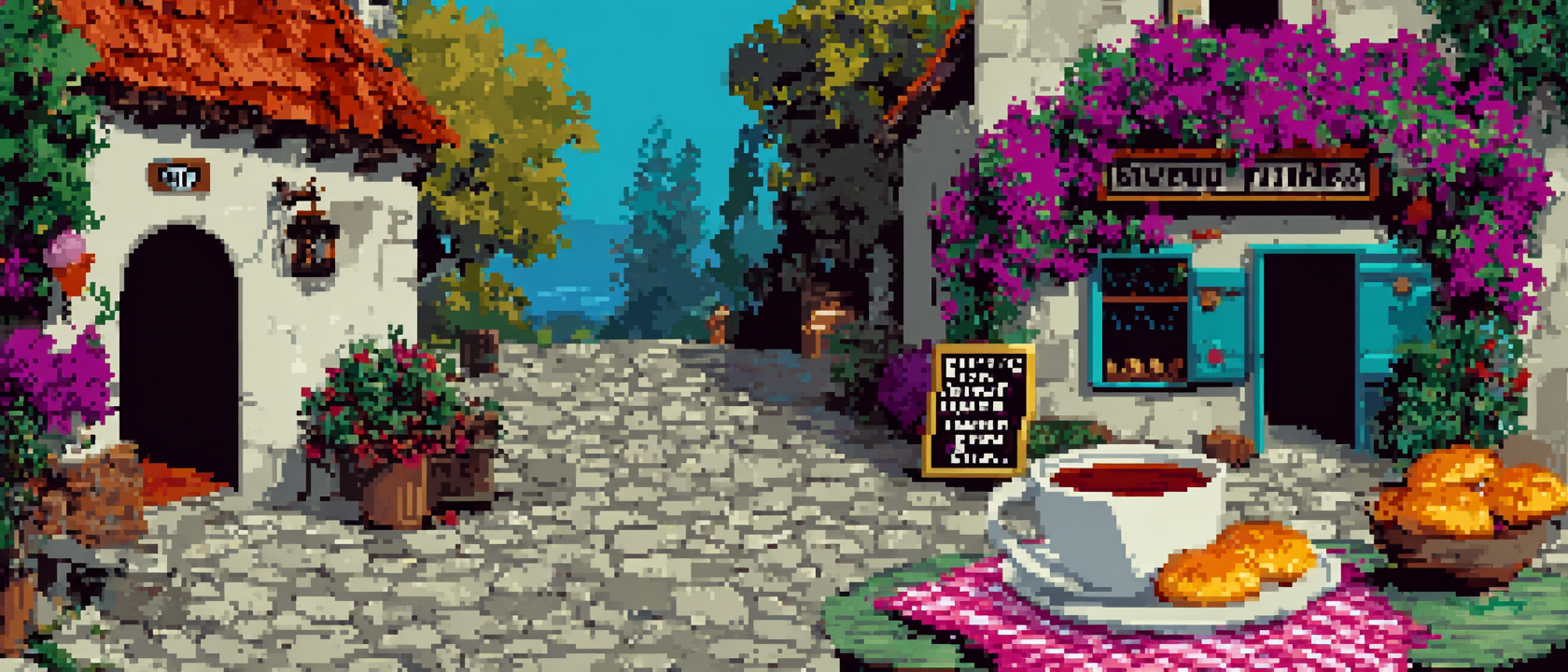
Three Pines doesn’t appear on any map. You can only find it if you’re lost. That’s not a metaphor — well, okay, it’s also a metaphor — but within the story it’s literally a village that you stumble into when you’ve taken a wrong turn somewhere in the Eastern Townships of Quebec.
And once you find it, you will never want to leave.
There’s a bistro run by a man named Olivier who serves food so good that Penny’s descriptions of it will make you genuinely hungry at 11pm on a Tuesday. There’s a bookshop. There’s a bakery. There are gardens and stone walls and a village green where people gather and argue and forgive each other. The houses have fireplaces and the neighbors bring you things when you’re sad.
It is, in every way that matters, the place you imagine when someone says “I just want to live somewhere quiet.” Except people keep getting murdered there, which is a real drawback from a homeowner’s perspective.
Flawed People Having Real Problems (And Also Scones)
Here’s what Penny does that I think most mystery writers don’t bother with: she writes characters who have actual human problems that exist outside of the murder plot.
Clara Morrow is a painter who spent decades being overlooked and is now dealing with what success does to her friendships. Ruth Zardo is an elderly poet who is cruel and brilliant and deeply lonely and has a pet duck named Rosa. Myrna Landers left a psychology practice in Montreal to run a bookstore because she was tired of absorbing other people’s pain. Gabri is dramatic and warm and makes everything about himself in the way that some people do when they’re terrified of being forgotten.
These people have marriages that struggle. They deal with jealousy, and grief, and the particular cruelty of watching someone you love make choices you can’t understand. They get older. They get scared. They screw up in ways that feel uncomfortably real.
And Penny does all of this while keeping you in a mood where you could comfortably eat a scone. That’s the magic trick. She deals with heavy, real, human stuff — addiction, racism, trauma, the quiet violence of small-town gossip — and somehow the overall feeling is still warm. You’re still safe in Three Pines. The fire is still going. Someone is still making dinner.
I don’t know how she does it. But she does it every single book.
Gamache
Armand Gamache is the Chief Inspector of Homicide for the Sûreté du Québec, and he is one of the best protagonists I’ve encountered in any genre.
He’s not a tortured genius. He’s not an eccentric with a substance problem. He’s not solving murders through superhuman deduction while alienating everyone around him. He’s a decent, thoughtful man who leads with kindness and takes his work seriously. He mentors young officers. He loves his wife. He drinks café au lait and eats croissants and reads poetry.
He also makes mistakes. Real ones, with consequences. Penny doesn’t let him be a saint — she lets him be a good person who sometimes gets it wrong, and that’s so much more interesting.
There’s a recurring theme across the series about Gamache’s four sayings for cadets: “I was wrong. I’m sorry. I don’t know. I need help.” And those aren’t throwaway lines. They come back again and again, in moments where admitting those things costs something. It’s quiet, and it’s radical, and it makes me want to be a better person every time I read it.
The Reread
I’ve read all of these books. Every one. And right now I’m going back through the entire series from the beginning before I read the two most recent ones, because that’s the kind of thing you do when a series has its hooks this deep in you.
Sarah reads them too, which means we’ve spent more than a few evenings sitting in the same room, in separate books, in the same fictional village. That’s a specific kind of cozy that I think Louise Penny would appreciate.
Going back through them now, knowing where everything leads, knowing which characters will break your heart and which ones will surprise you — it’s a different experience. You catch the things Penny planted early. You see the long game she was playing. The books don’t get smaller on reread; they get bigger.
Start With Still Life
If anything I’ve said here sounds appealing — if you like mysteries, or character studies, or books that feel like a warm kitchen on a cold night — start with Still Life. It’s the first book. It introduces Three Pines, it introduces Gamache, and it sets the tone for everything that follows.
You’ll know within fifty pages if this is for you. And if it is, you’ve got eighteen more books waiting, and a village that doesn’t appear on any map, and a bistro that’s always open, and someone has just put the kettle on.
Come get lost. The scones are worth it.