There’s a whole world out there that you probably don’t know about. A subculture of indie dyers, fiber obsessives, and people who will drive unreasonable distances to touch a specific skein of yarn. I’m here to tell you about it from my folding chair, because my ankle is busted and I can’t actually help with anything.
Welcome to the yarn trunk show circuit.
What Even Is a Trunk Show?
Here’s the deal: there are people—artists, really—who dye yarn by hand. Small batch. Indie. They work out of their homes or small studios, selling online or at fiber festivals. But yarn people want to touch yarn before they buy it. They want to hold it up to their face in natural light. They want to squish it.
A trunk show is when one of these indie dyers hauls their entire operation to a local yarn shop for a day or a weekend. Customers who’d normally never see this yarn in person suddenly can. It’s like a pop-up shop, but for fiber arts, and everyone involved is unreasonably excited about it.
My wife Sarah runs Little Squirrel Yarn, and this weekend we’re setting up at Blazing Star Ranch in Denver. When I say “we,” I mean Sarah does the work and I provide moral support from a seated position.
Blazing Star Ranch Is a Real Place That Exists
I need you to understand the venue here. Blazing Star Ranch is a yarn shop. It is located inside a vacuum store. The vacuum store also contains a shaving store. I am not making this up. You walk in looking for yarn and you’re surrounded by Dysons and straight razors and also alpaca fiber.
Speaking of alpacas—there’s an actual ranch outside Denver where they raise them. The yarn shop connection isn’t just branding. There are real alpacas involved in this economy.
This is the kind of place the yarn trunk show circuit takes you.
The Setup
A trunk show starts days before the actual event. Sarah has to decide what to bring—which colorways, which yarn bases, how much of each. Then we pack the car like we’re playing Tetris with skeins. Then we drive. Then we unpack the car and set everything up, arranging yarn so it looks effortlessly beautiful (it is extremely effortful).
Then the doors open and the knitters arrive.
My Role: Professional Sitter
With my ankle in its current state, I’m not hauling bins or arranging displays. I’m stationed in a folding chair, and my job is to talk to people. Which, honestly, is the best part.
Yarn people are wonderful. They’ll tell you about the sweater they’re planning, the shawl that’s been on their needles for three years, the colorway that got away. They have opinions about fiber content and needle sizes and whether variegated yarn is worth the hassle. They’re building something with their hands and they’re genuinely excited about it.
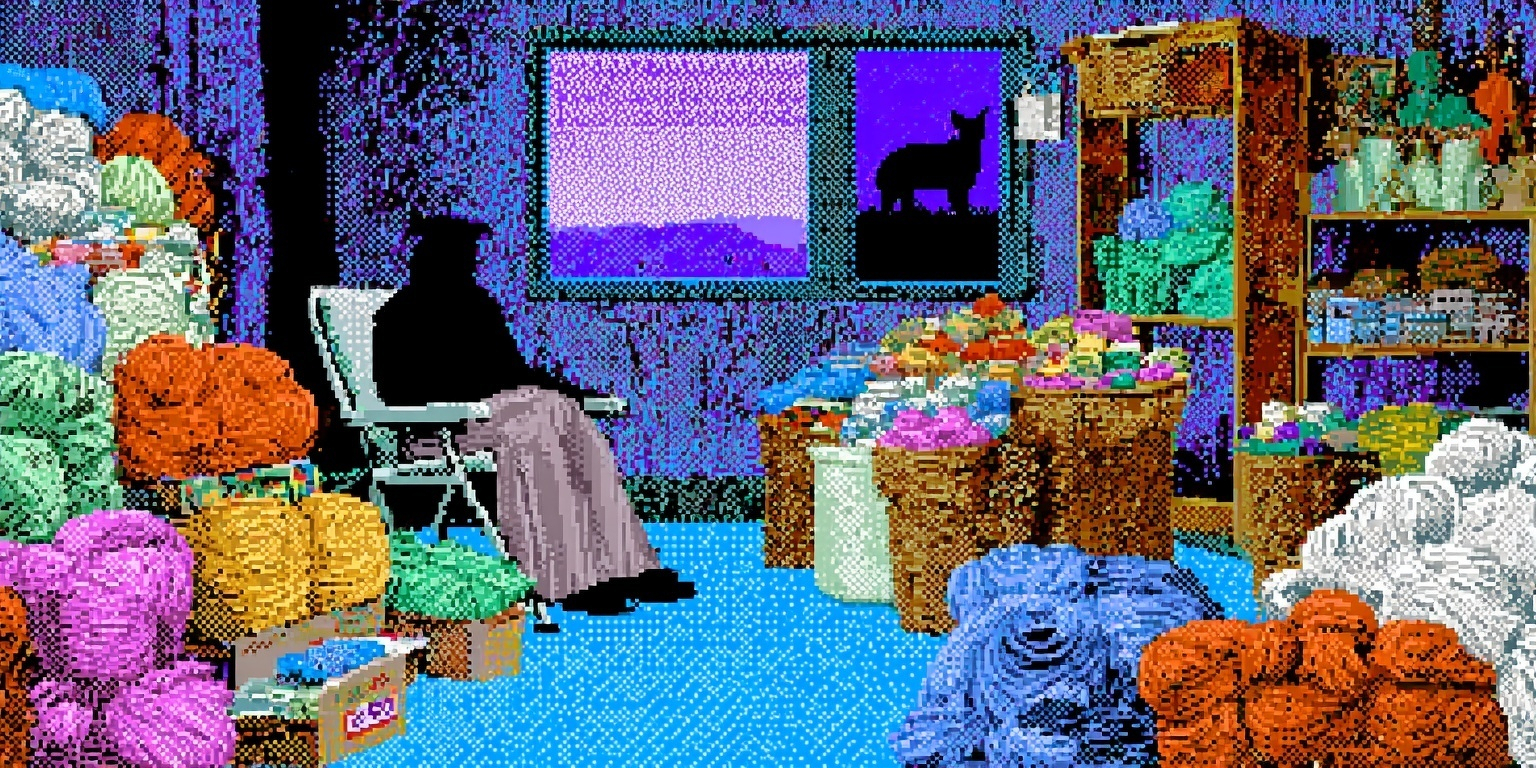
I get to sit there and hear all of it, surrounded by color, in a vacuum store, in Denver.
The Point
There’s a whole economy of handmade, small-batch, indie-dyed yarn out there. There are people who plan road trips around trunk shows. There are yarn shops tucked into the strangest retail spaces you can imagine. There are alpacas.
If you’ve never wandered into this world, I’m telling you: it’s delightful. And if you’re ever in Denver and want to buy a vacuum, a straight razor, AND some hand-dyed merino, I know a place.
Stay warm, make something with your hands, and pet an alpaca if you get the chance.