 I bought No Man’s Sky at launch in 2016. Played it for maybe ten hours, felt the hollowness that everyone felt, and shelved it. The game became a punchline—the poster child for overpromised and underdelivered. I moved on.
Eight years later, in the opening weeks of 2025, I saw some screenshots on Reddit. Alien oceans. Bioluminescent caves. People building elaborate bases on rings of asteroids. This wasn’t the game I remembered.
I reinstalled it out of curiosity. I didn’t expect it to become the thing that got me through the year.
But here we are. 250 hours later. My game of the year, and it’s not even close.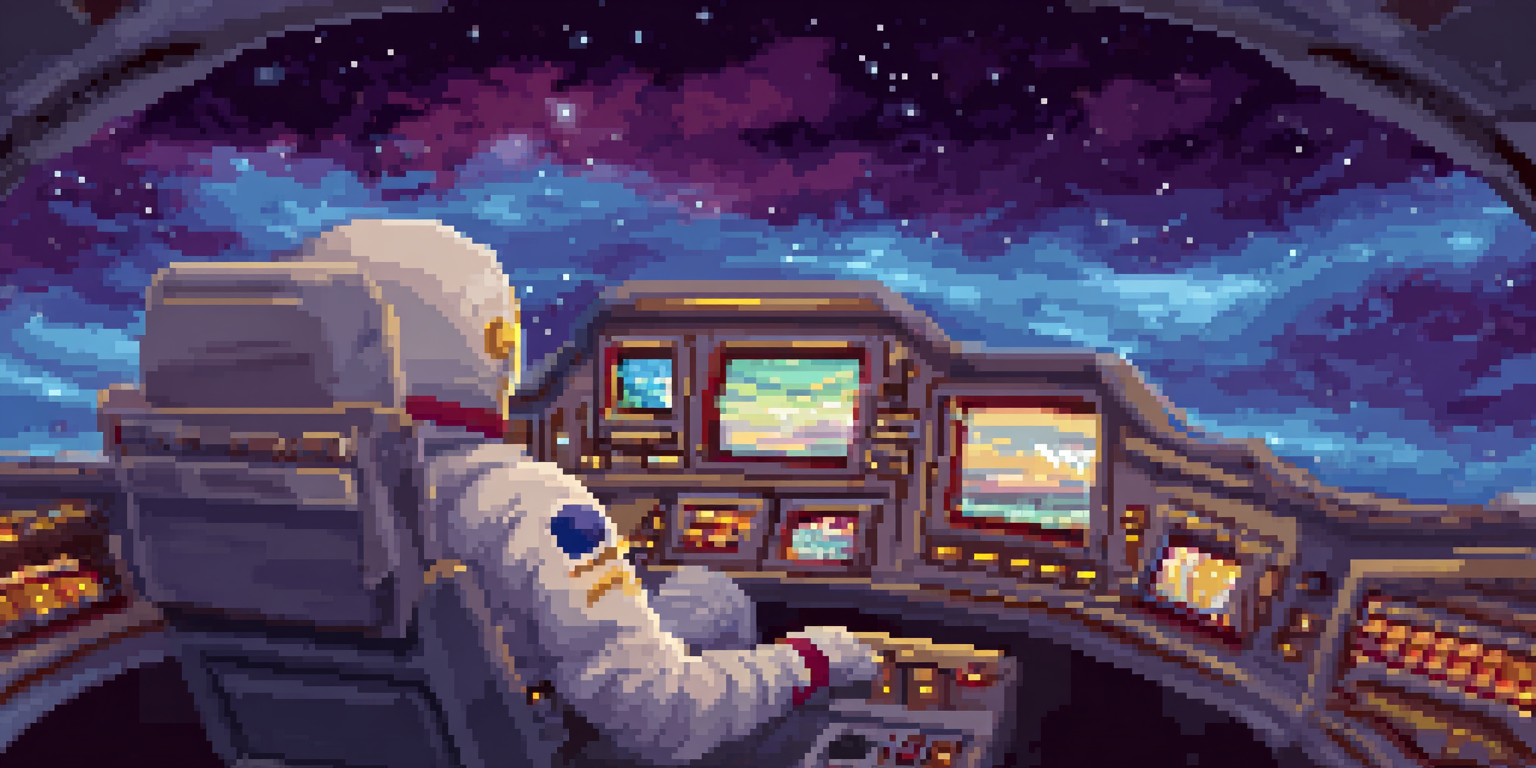
January Through March: The Despair Months
The year started rough. I don’t want to get too deep into politics here—this is a gaming blog, not a place for me to process my feelings about the state of American democracy—but let’s just say I spent a lot of January doom-scrolling and feeling helpless.
No Man’s Sky offered something I desperately needed: a universe where nothing mattered except what I chose to focus on.
There’s no urgency in NMS. No timer counting down. No world-ending threat demanding immediate action. You land on a planet, you scan some rocks, you name a creature something stupid, you leave. Or you stay. Or you build a base. Or you just… sit there, watching the sunset through an alien atmosphere, listening to the ambient soundtrack do its thing.
The game doesn’t care. The universe keeps spinning whether you engage with it or not.
In January 2025, that was exactly what I needed. A place to exist without expectation.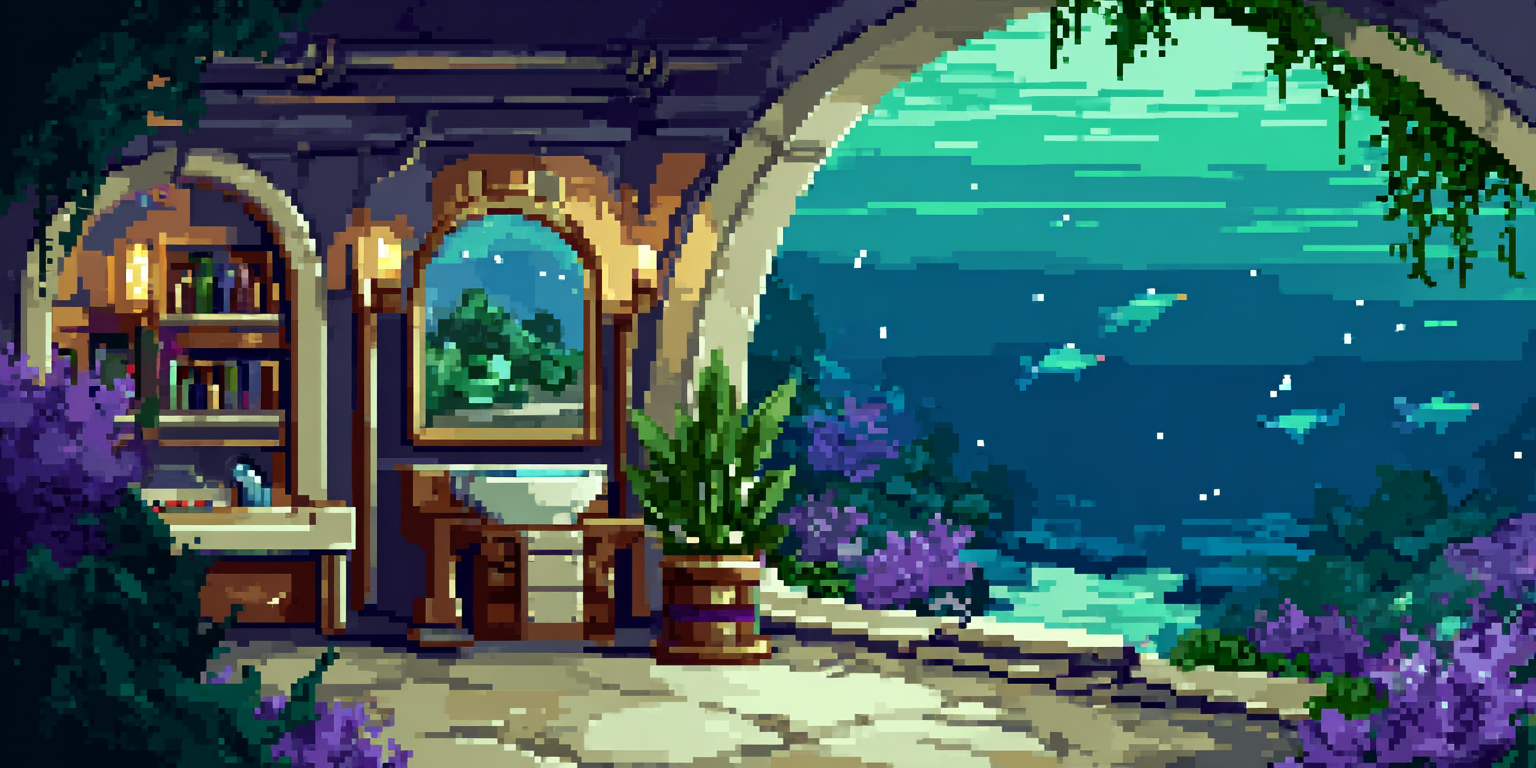
April Through June: Momentum and Distraction
Work picked back up. The political dread didn’t go away, but I learned to compartmentalize it better—or at least bury it under enough tasks that I didn’t have time to spiral. The problem with compartmentalization is that the feelings don’t actually go anywhere. They just wait.
No Man’s Sky became my decompression chamber. Finish a workday, boot up the game, spend an hour flying between systems looking for nothing in particular. The game is remarkably good at providing the feeling of productivity without any of the stakes. You’re always making progress—units in the bank, nanites accumulating, new technologies unlocked—but none of it matters if you walk away.
It’s fake progress. I know that. But sometimes fake progress is all you can manage, and it’s better than no progress at all.
I found my first water planet during this stretch.
I don’t remember the system name. I don’t remember what I was looking for. But I remember breaking through the atmosphere, seeing that deep blue stretching to the horizon, and feeling something unclench in my chest.
I miss diving. I haven’t been in the water—real water, ocean water—in longer than I want to admit. Health stuff makes it complicated. Logistics make it complicated. Life makes it complicated.
But there I was, piloting a starship down to an alien ocean, and for a few minutes I remembered what it felt like to be weightless in blue.
I built a base on that planet. Underwater, obviously. It’s not much—a few rooms, some windows looking out into the murk, a landing pad on a nearby island. I still go back there sometimes.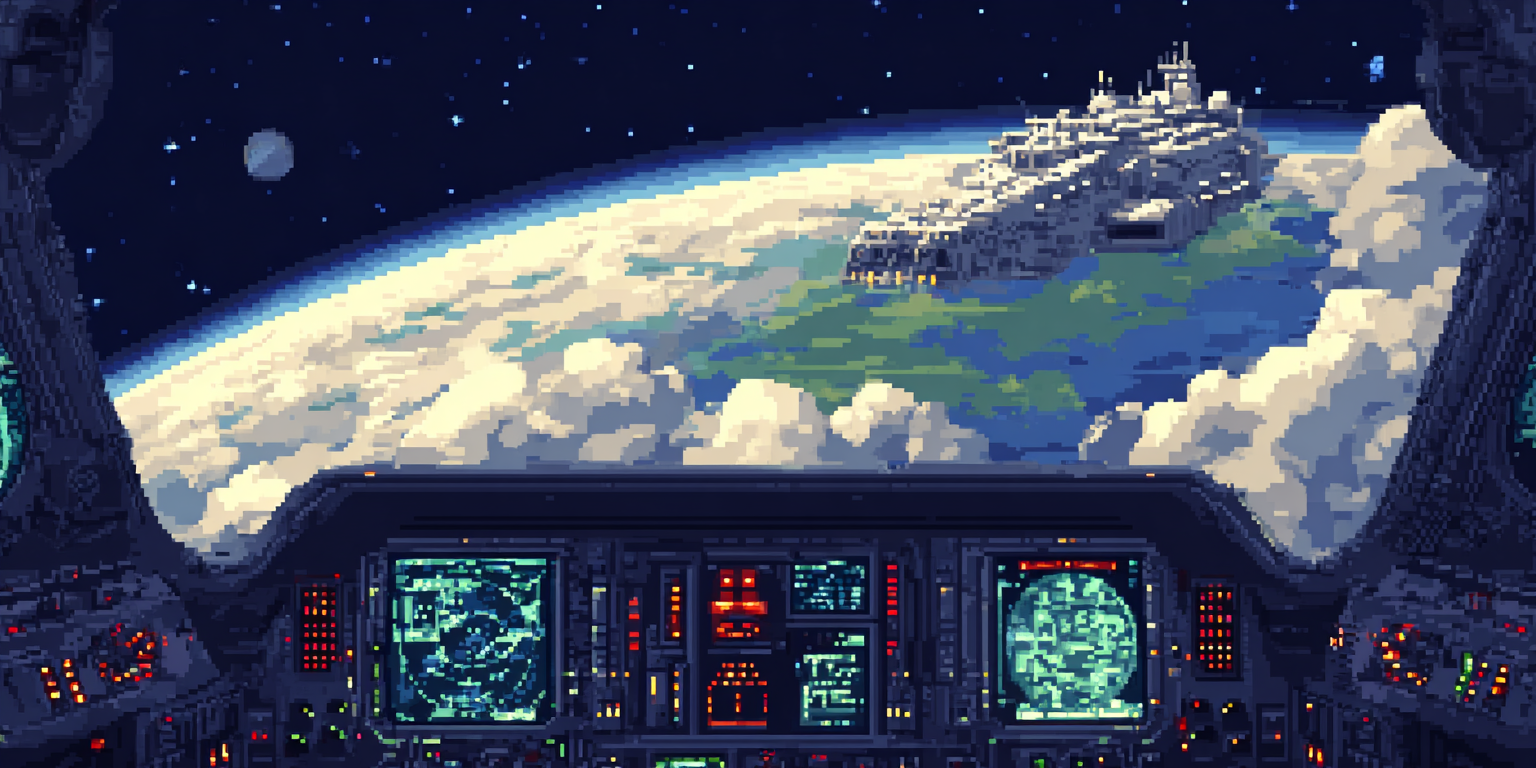
July Through September: The Waiting Room
Summer brought two pieces of news, delivered close enough together that they blurred into one continuous gut-punch.
First: surgery. Not emergency surgery—planned, scheduled, months away. But the kind of surgery that takes over your calendar. Pre-op appointments. Consultations. The slow bureaucratic machinery of American healthcare grinding into motion.
Second: we lost a big client at work. Not catastrophically, but enough to sting. Enough to make the financial planning spreadsheets look different. Enough to add a layer of anxiety on top of the existing anxiety.
I played a lot of No Man’s Sky in the waiting room. Not literally—I mean the metaphorical waiting room, the space between knowing something is coming and actually experiencing it. Surgery was scheduled for October. I had months to think about it.
The Corvette update dropped during this period. Suddenly you could own and customize massive frigates, walk around their interiors, send them on missions. It was the most substantial update I’d experienced since returning to the game, and I threw myself into it. Something to optimize. Something to plan. Something to control when everything else felt uncontrollable.
I also tried my first Expedition—the game’s limited-time community events that give everyone the same starting conditions and a shared set of goals. It was fun. It was social in a way the rest of the game isn’t. It reminded me that other people were out there, doing the same thing I was doing, finding their own alien oceans.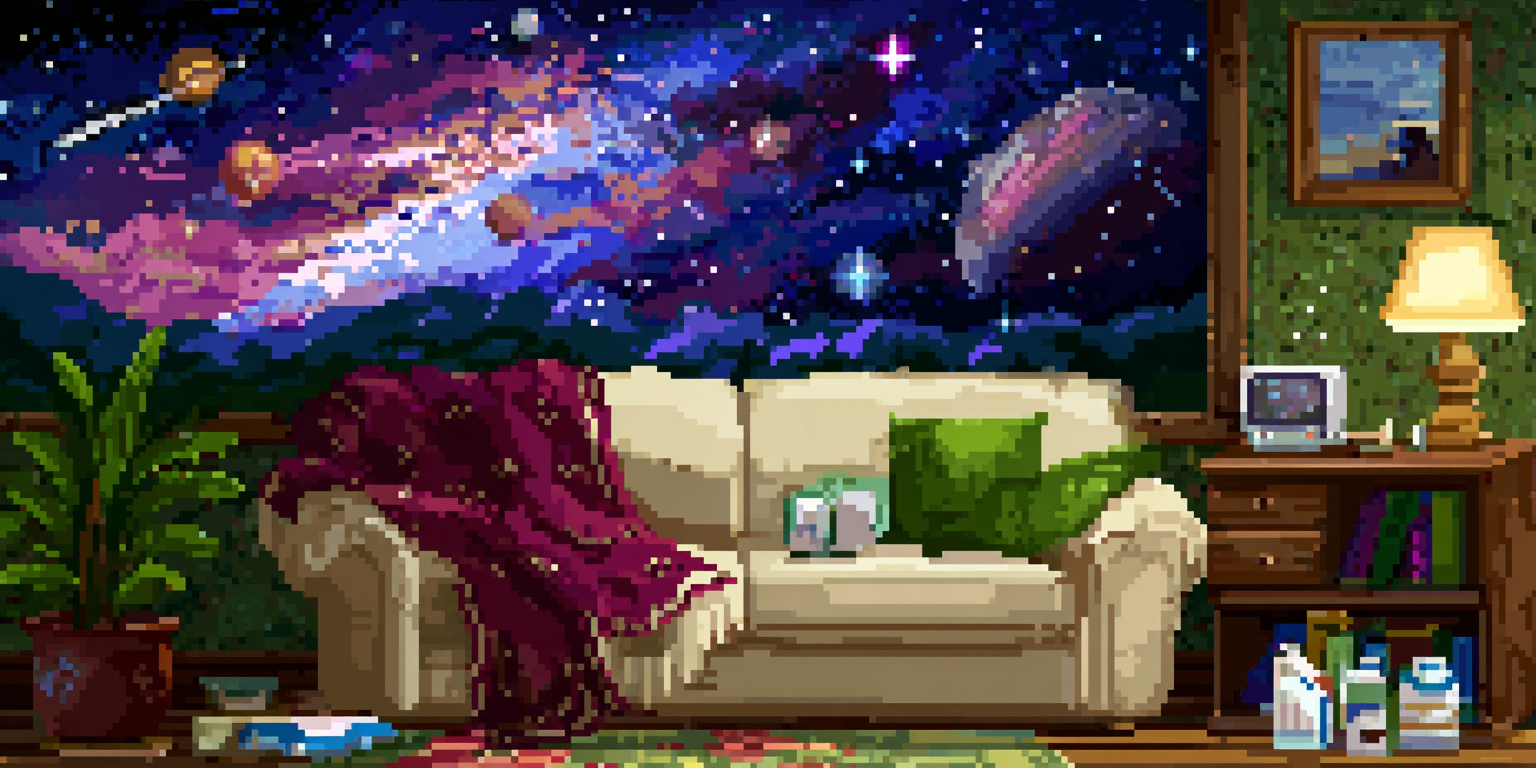
October Through December: The Recovery Game
I’m going to be vague about the surgery itself. It happened. It went fine. The hospital stay was what hospital stays are—fluorescent lights, interrupted sleep, the particular loneliness of being sick in a place designed for sick people.
I didn’t play No Man’s Sky in the hospital. I mostly stared at the ceiling and waited for pain meds to kick in.
But when I got home—when the wound care started, when recovery became my full-time job—I came back to the game.
There’s something about No Man’s Sky that works when you’re stuck. When your body is healing and you can’t do much. When you’re tethered to a couch or a bed and the world outside feels very far away.
The game meets you where you are. Some days I had the energy for actual objectives—tracking down a specific ship, gathering materials for a new base module, chasing some thread of the procedural story. Other days I just flew. Point the ship at a star, engage the pulse drive, watch the light streak past.
No demands. No judgment. Just a universe big enough to get lost in.
Sarah doesn’t play No Man’s Sky. She’s a strictly classic Nintendo kind of person—give her Super Mario World and she’s happy. But she understood what the game was doing for me. She’d check in, ask where I’d been, listen to me describe some weird planet I’d found. She held down the real world while I escaped into a fake one.
I don’t think I could have made it through Q4 without either of them.
The Meditation of It
Here’s what I’ve figured out about No Man’s Sky: it’s not really a game. Or it is, but the game part is almost incidental.
What it actually is, for me at least, is a meditation engine.
The loop is simple. Land. Walk. Scan. Look around. Take off. Repeat. The procedural generation means there’s always something new, but “new” doesn’t mean “demanding.” It’s novelty without urgency. It’s discovery without stakes.
When I’m playing NMS, I’m not thinking about the client we lost. I’m not thinking about the surgery. I’m not thinking about wound care or politics or the hundred other anxieties that live in my brain rent-free. I’m thinking about whether this cave system connects to the other side of the mountain, or whether that creature in the distance is hostile, or what I should name this particularly ugly fish.
It’s not that the game distracts me from my problems. It’s that it gives my brain something else to do—something low-stakes and procedural and just engaging enough—so the anxious parts can quiet down for a while.
That’s worth 250 hours. That’s worth game of the year.
The Other Games
I should mention: I did play other things in 2025.
Baldur’s Gate 3 is still installed. I am still in Act One. I will finish Act One someday. Probably. The game is great, but it asks so much—every conversation is a decision, every fight is a puzzle, every rest is a strategic choice. Some years you have the bandwidth for that. 2025 was not that year.
Fallout 3 and Skyrim got their usual rotation. Comfort food games. I’ve played them enough times that my brain can engage on autopilot, following paths I’ve followed a hundred times before. There’s value in that—the familiar ruts, the known quantities.
But No Man’s Sky was the new thing that became essential. The game I didn’t expect to need.
Looking Forward
I don’t know what 2026 holds. More recovery, probably. More wound care for a while. Eventually, hopefully, something resembling normal life.
I’ll probably keep playing No Man’s Sky. Hello Games keeps updating it—they’ve been doing this for eight years now, turning their disaster launch into one of gaming’s great redemption stories. There will be new features, new expeditions, new reasons to boot it up.
But even if they stopped tomorrow, I’d still have my water planet. I’d still have the Corvette, parked in orbit, waiting for wherever I want to go next. I’d still have 250 hours of proof that sometimes the best thing a game can do is give you a place to breathe.
Thanks for the escape. Game of the year.
Now if you’ll excuse me, I need to go name some more ugly fish.